
Basics · 3 MIN READ

Acidity & bitterness

Acidity and bitterness are tastes; dryness is a mouthfeel. A precise description makes troubleshooting easier.

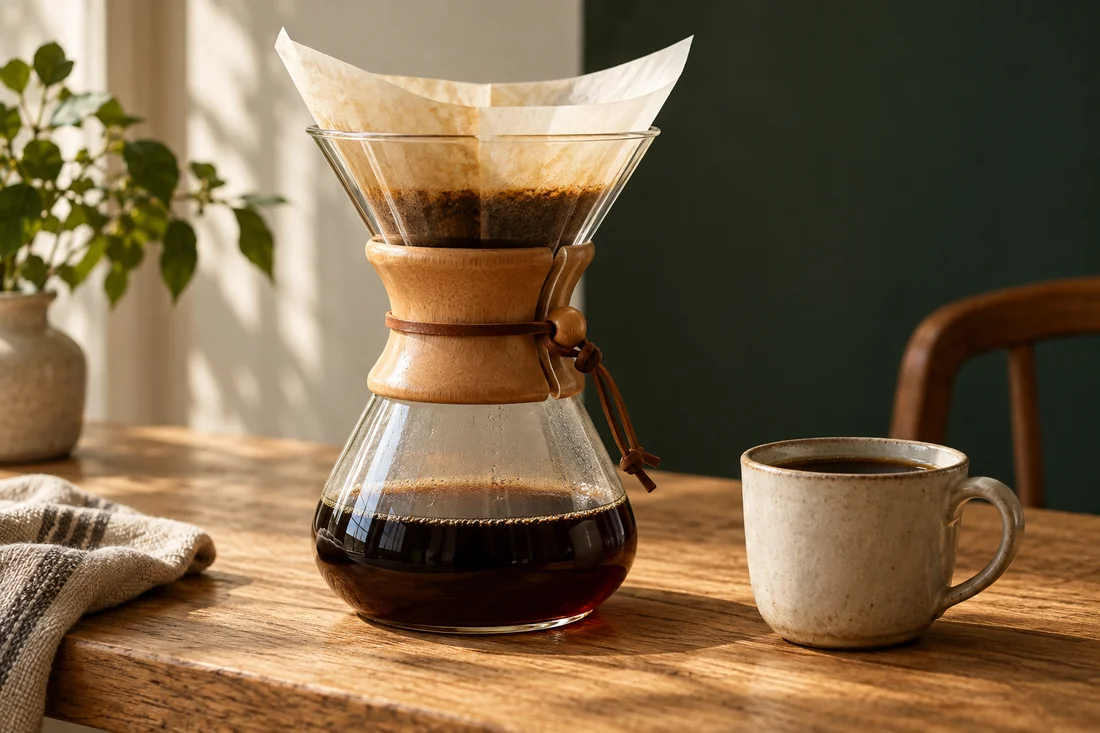
Filter coffee in a glass carafe beside a cup

Knowledge you can explore

What actually bothers you?

Three views make the relationship visible. Choose a question, compare the diagram and check your understanding.

Separate sour, bitter and dryAcidity can recall citrus freshness, while bitterness can resemble unsweetened cocoa. Dryness describes more of a tightening mouthfeel. Roasty aromas are another impression again. These qualities can occur together. Separate them in your notes so the next attempt can answer a specific question about your cup.01 / 03
  1. AcidityAcidity
  2. BitternessBitterness
  3. Dry mouthfeelDry mouthfeel

Scroll the diagram sideways to read every label.

Separate taste from mouthfeel

Schematic illustration · not a measurement or real-time demonstration

01 / 03

Separate sour, bitter and dry

Acidity can recall citrus freshness, while bitterness can resemble unsweetened cocoa. Dryness describes more of a tightening mouthfeel. Roasty aromas are another impression again. These qualities can occur together. Separate them in your notes so the next attempt can answer a specific question about your cup.

02 / 03

A flavour is no diagnosis

Fruity acidity can belong to the beans, and bitterness to the roast style. Old residues or uneven water flow can also cause problems. Consider the coffee, cleanliness and process together. Sour does not automatically mean too little extraction, and bitter does not automatically demand a shorter or coarser shot.

03 / 03

A small sample adds clarity

Taste without milk or sweetener at a comfortable temperature. Record the opening impression and finish separately. Dilute a small sample to check whether intensity was the main problem. If the recipe works but you dislike its fruity character, choosing different beans is also a valid next step.

A quick thought check

You notice a tightening sensation in the finish. Which term fits?

01

Four words to help you along

Acidity, bitterness, dryness and roast notes describe different impressions. Acidity can recall citrus freshness, bitterness unsweetened cocoa. Dryness or astringency mainly means a puckering mouthfeel. Roast notes belong to aroma and flavour description. These impressions can occur together; distinguishing them helps you make a targeted adjustment.

World Coffee Research's sensory lexicon treats flavour, aroma and texture as distinguishable characteristics. You do not need to memorise its terminology. The useful idea is to name more precisely what actually bothers you.

02

Describe before fixing

If you only write “bad”, it remains unclear whether an adjustment helped. Instead, note something like “sharp at first, then empty”, “intense and cocoa-like” or “dry in the aftertaste”. These observations name the distracting impression and make the next sample comparable.

Pleasant fruity acidity can be part of the bean. If you generally prefer a less fruity style, a different roast may be the best solution. You do not have to like a coffee just because its description sounds particularly detailed.

03

A small comparison

  1. First taste the coffee without milk or sweetener at a comfortable temperature.
  2. Note the first impression and aftertaste separately.
  3. Dilute a small portion with a little water and check whether only the intensity bothered you.
  4. Judge another sample after it has cooled briefly. Avoid hasty conclusions from a scalding-hot sip.
04

Sour does not automatically mean under-extracted

A fast, thin, sharply acidic espresso can indicate insufficient or uneven extraction. But the same description of acidity can also fit a deliberately fruity bean. So use quantities, time, flow and bean information together.

Water can also change perceived acidity. If your recipe suddenly tastes different after a change of location, the grinder is not the only suspect. Try comparing water before changing every setting.

05

Bitter does not automatically mean too long

A dark roast has different characteristics from a light one. Old residue can also taste unpleasant. Only once cleanliness and the beans have been checked is it worth deliberately changing beverage quantity or grind. A rough aftertaste can be related to uneven flow and will not necessarily disappear simply by shortening the shot.

06

Build a personal vocabulary

You are welcome to describe a coffee as rounded, juicy or cosy. What matters is that you mean roughly the same thing in your comparisons. A small personal vocabulary is more practical than reciting a flavour wheel. Good tasting begins with attention, not an exam.

Frequently asked

Another question?

Is acidity a fault?

Not as a rule. Type, intensity, balance and your preference matter.

Is dry the same as bitter?

No. Dryness is primarily a mouthfeel and can occur alongside it.

Sources & further reading

Related to this topic

Name the distracting impression

Describe the first sip and aftertaste with two clear terms. Use them to choose one adjustment for your next trial.

Geschmack gezielt prüfen ↗

Your coffee helper

Coffee Bro.

I help you brew, find coffee knowledge and show you what is on the menu. Your questions stay here in your browser.

Local content & guided help · no connected language model