
Avoid first, then compare
A cup you use on site does not have to leave with you as disposable packaging. If you drink on the go, a suitable reusable cup used frequently can make sense. The German Environment Agency recommends reusables and stresses actual reuse. A new cup that then stays in a cupboard hardly serves that purpose.
First consider when and where you take coffee with you. Does your own cup fit in your bag? Is there a return system along your usual route? A workable routine matters more than a theoretically perfect solution you never have with you.
Reusables need care
Clean cups and lids according to the manufacturer’s instructions and let them dry thoroughly. Pay particular attention to seals and hard-to-reach places. A clean interior is essential for pleasant taste and hygienic use. Leaving damp cups sealed for long periods is not good storage practice.
Choose material explicitly suitable for hot food. The BfR points out that supposedly natural composite materials are not automatically unproblematic. Specific material suitability and intended use matter, not a bamboo look or a green advertising term.
Taking a nuanced look at coffee packaging
Bean packaging protects a sensitive product. Assessing it by weight alone falls short if poorer protection leads to more spoiled or unused coffee. At the same time, packaging quantities and disposal options should be clear. A good comparison considers protection and material together.
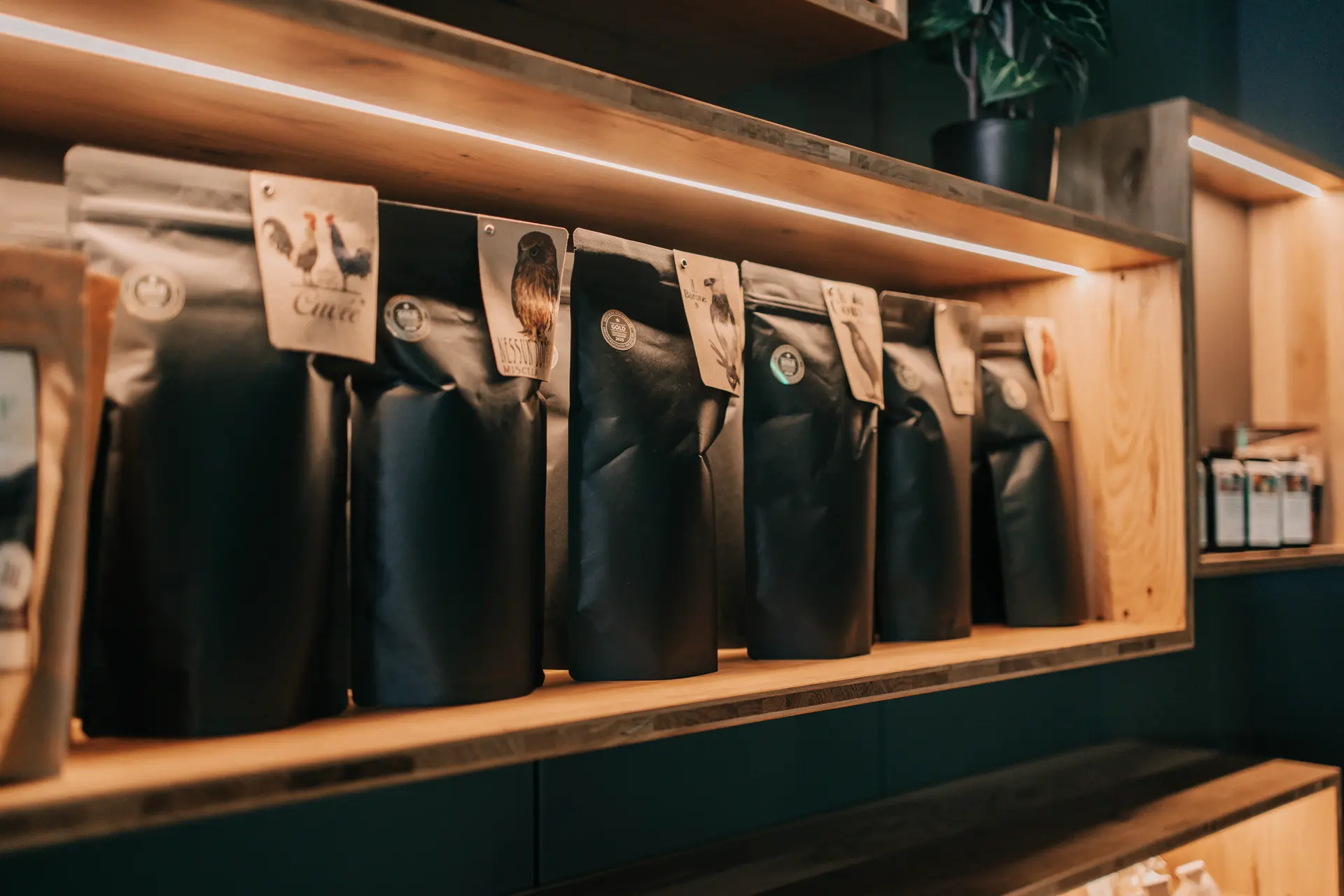
Check a coffee bag’s material labelling and your local waste service’s instructions. A paper appearance can conceal other layers; a brown surface is not a material analysis. If components are designed to separate, dispose of them separately as instructed. Otherwise, follow the local route for the whole package. A fair comparison also considers bag size, protection and how much coffee is actually used.
Compostable needs explaining
Packaging may be degradable under certain industrial conditions without being suitable for garden compost or every food-waste bin. These terms should not be taken as permission to dispose of it in nature. Check certification, material guidance and local rules.
Reusable filters also require manufacturing and cleaning. An honest comparison considers lifespan and use. The decision does not have to be perfect, but should fit your own routine and be based on more than a single advertising claim.
Minimise coffee waste
Weigh the amount needed and brew for the people actually present. Buy beans in a pack size you can use sensibly. Store them well and record a recipe that works. Fewer failed attempts and forgotten leftover bags help too.
On your next café visit, simply ask which reusable option is offered and how returns work. What matters is the current offer on site. If reusables work for you, make returning them a regular part of your route.