
Equipment and care · 3 MIN READ

Compare filter materials

Paper, metal and cloth affect flow, mouthfeel and maintenance. Compare them using beans you know.

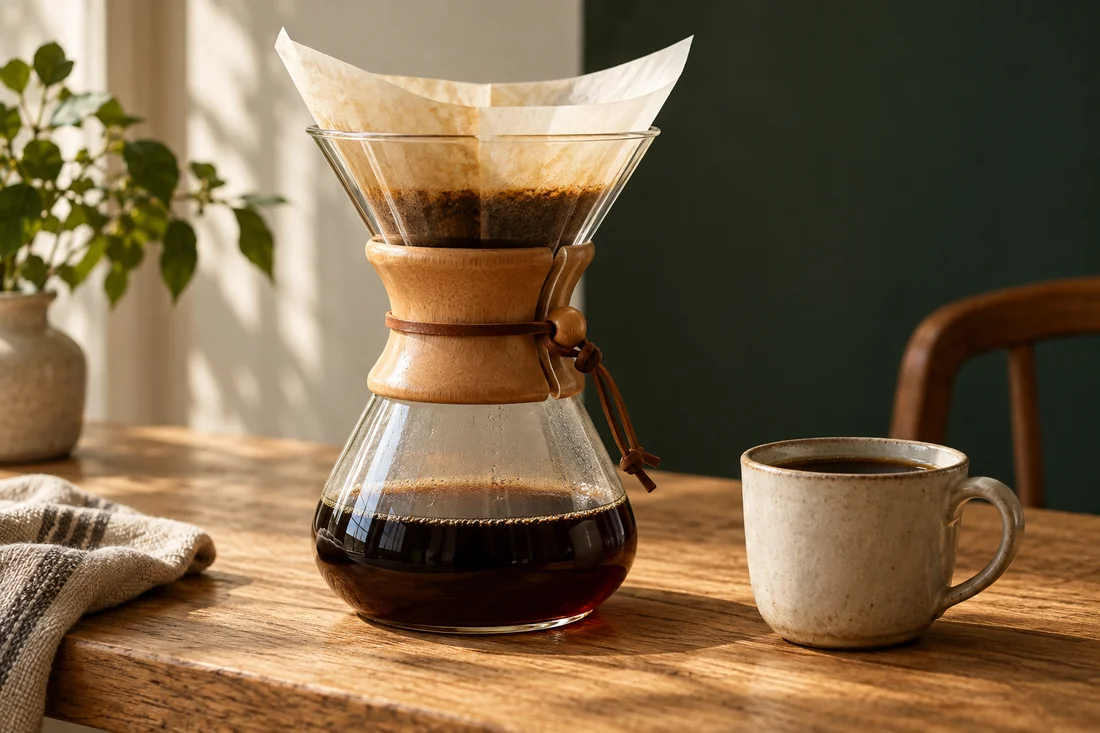
Glass carafe with a paper filter and brewed coffee

Knowledge you can explore

Clarity or more mouthfeel?

Three views make the relationship visible. Choose a question, compare the diagram and check your understanding.

The filter belongs to the recipeMaterial, shape and fit influence brewing. Start with the intended filter and check its position. Paper retains many fine particles, often producing a clearer cup. A different flow time after changing paper is initially an observation, not a quality judgement about the filter.01 / 03
  1. PaperPaper
  2. Many fines are retainedMany fines are retained
  3. Fit and seating firstFit and seating first

Scroll the diagram sideways to read every label.

Check fit and paper

Schematic illustration · not a measurement or real-time demonstration

01 / 03

The filter belongs to the recipe

Material, shape and fit influence brewing. Start with the intended filter and check its position. Paper retains many fine particles, often producing a clearer cup. A different flow time after changing paper is initially an observation, not a quality judgement about the filter.

02 / 03

Different material, different routine

A metal filter can let more fine particles through and change mouthfeel. Cloth filters need their own cleaning and storage routines. Reusable therefore does not automatically mean easy to maintain. Check device approval and care requirements before changing materials; fitting somehow is not an equivalent technical solution for your setup.

03 / 03

Two portions, similar temperature

Compare the same bean and record filter, dose, water and time. Observe clarity, mouthfeel and sediment. Then adjust recipes individually if their flow differs substantially. For environmental questions, production, useful life and cleaning matter together; an unused permanent filter saves nothing simply by sitting in a cupboard.

A quick thought check

After switching from paper to metal, the cup feels fuller. What follows?

01

Filters are part of the recipe

A filter separates grounds from the drink. Its material, shape and fit in the equipment affect the process. Changing paper can therefore matter even when the bean and water quantity stay the same. A poorly seated filter or blocked air passage can also alter the flow.

Start with the filter specified by the equipment manufacturer. CHEMEX, for example, explicitly describes its system together with its matching paper filters. Other inserts may need their own recipes. An accessory that somehow fits is not automatically an equivalent technical solution.

02

Paper in everyday use

Paper is easy to remove after use and retains many fine particles. The cup often tastes cleaner than with a more permeable metal filter. Whether to rinse the filter first also depends on the method and paper; it often helps to seat it neatly and preheat the vessel. Discard the rinse water before brewing.

Check the correct size and folding. A torn or folded-over edge can let coffee bypass the filter. When comparing paper brands, keep the rest of the setup as consistent as possible. A change in drawdown time is initially an observation, not proof of better or worse quality.

03

Metal and cloth

A reusable metal filter can let more fine particles into the cup and create a different mouthfeel. This can feel pleasantly full, but needs to suit your preference. Clean it thoroughly according to the instructions so residue does not affect the flavour of the next portion.

Cloth filters have their own care requirements. They need proper cleaning and storage after use. If that routine feels too demanding, another material may be a better everyday choice. Reusable does not automatically mean easy to care for.

04

A fair comparison of materials

Brew two small servings with the same beans. Record filter material and shape, dose, water quantity and brew time. Taste at a similar temperature and pay attention to clarity, mouthfeel and sediment. If you also compare different brewers, record that too: a difference then cannot be attributed to the material alone. Adjust each recipe separately afterwards if necessary.

You do not necessarily need a winner. Perhaps you like paper in the morning and a fuller mouthfeel at weekends. Your personal purpose is a better basis for a decision than the idea that only one material can produce real coffee.

05

Sustainability without hasty conclusions

Disposables create waste; reusables need cleaning and frequent use. An honest assessment considers material, lifespan and care. An unused permanent filter in a cupboard saves little. Choose a routine you will actually maintain long term.

Dispose of filters and packaging according to local rules and material labels. Coatings, additives or composite materials may change their classification. Brown colouring alone does not reliably tell you where something belongs.

Frequently asked

Another question?

Can I simply replace paper with metal?

Sometimes it is technically possible, but flow and flavour can change. Check whether your equipment permits it and adapt the recipe.

Is a reusable filter automatically more sustainable?

Actual use, manufacturing and cleaning all belong in the assessment.

Sources & further reading

Related to this topic

Consider material and brewer together

Record the flow when comparing filters. A filter coffee machine needs a filter and setup that work together.

Filtermaschine richtig einsetzen ↗

Your coffee helper

Coffee Bro.

I help you brew, find coffee knowledge and show you what is on the menu. Your questions stay here in your browser.

Local content & guided help · no connected language model